 888-550-4480


Barter - The Forgotten Skill
December 31, 2025
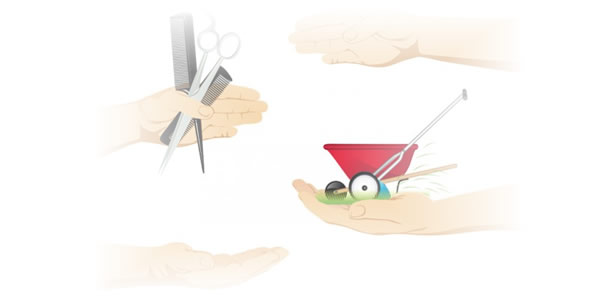
Throughout history, people have found ways to trade what they had for what they needed. Long before modern economies existed, barter was the primary means of survival. As societies grew and trade expanded, standardized forms of money were introduced to make exchanges easier. Over time, money has taken many forms — shells, beads, metals, paper, and now digital numbers on a screen.
In the modern era, most nations rely on fiat currency — money that has value because governments declare it so, not because it is backed by something tangible. History shows that fiat systems are fragile. When mismanagement, debt, greed, and corruption take hold, inflation follows, and confidence in the system erodes. This pattern has repeated itself again and again throughout the centuries.
During periods of economic stress, natural disasters, or large-scale disruptions, access to everyday necessities can quickly become limited. In these situations, money may lose much of its usefulness, while practical goods and useful skills gain importance. When supply chains break down, barter naturally re-emerges as a reliable way to obtain what you need.
That is why learning how to barter before you are forced to rely on it is so important. Bartering is a skill, and like any skill, it is best learned when the stakes are low. Practicing now can give you confidence and flexibility later.
Here are a few simple steps to help you get started:
1. Identify your needs.
Make a clear list of what you truly need versus what would simply be nice to have. Focus on essentials first.
2. Take inventory of what you can offer.
Consider items you have in excess, tools you rarely use, or supplies you have stored. Skills are just as valuable — mechanical work, gardening, cooking, medical knowledge, repairs, or childcare can all be traded.
3. Look for potential trading partners.
Friends, neighbors, coworkers, and local community members are often the best place to start. Strong relationships make fair trades easier and safer.
4. Propose a clear trade.
Always approach a trade knowing what you want and what you are willing to give. Clear expectations help prevent misunderstandings.
One of the smartest preparations you can make is to plan ahead for a barter-based economy. This means storing items that almost everyone will need in a crisis. Food is the most obvious example. Everyone needs it, and during shortages it quickly becomes more valuable than cash. Having extra food beyond your household’s needs gives you tremendous flexibility.
Other high-demand barter items may include water purification supplies, medical items, basic hygiene products, batteries, tools, fuel, or over-the-counter medications. These items are practical, familiar, and universally useful.
If you are trading for a service rather than goods, it is wise to agree on clear terms. Set a timeline and write it down if possible. This helps ensure that both sides follow through and that valuable supplies are not given away without receiving what was promised.
Triangle bartering can also be very effective. Sometimes the person who wants what you have does not have what you need — but someone else does. For example, you might trade food to a neighbor, who provides labor to a third person, who then gives you supplies you need. Thinking creatively opens up more opportunities.
If your immediate circle does not have the items or skills you are looking for, online barter listings can be another option. Platforms like Facebook Marketplace or local community boards can be useful for finding trade opportunities, even in normal times.
We encourage you to share your own bartering experiences or ideas in the comments below. Learning from one another strengthens the entire community.
Happy bartering!

Jim Brewster is a former US Navy Aircrew Combat Cameraman with extensive training in desert, jungle and cold weather survival. He is a dedicated American patriot whose only king is our Creator.